Blog
Tips & local guides
2026-08-31
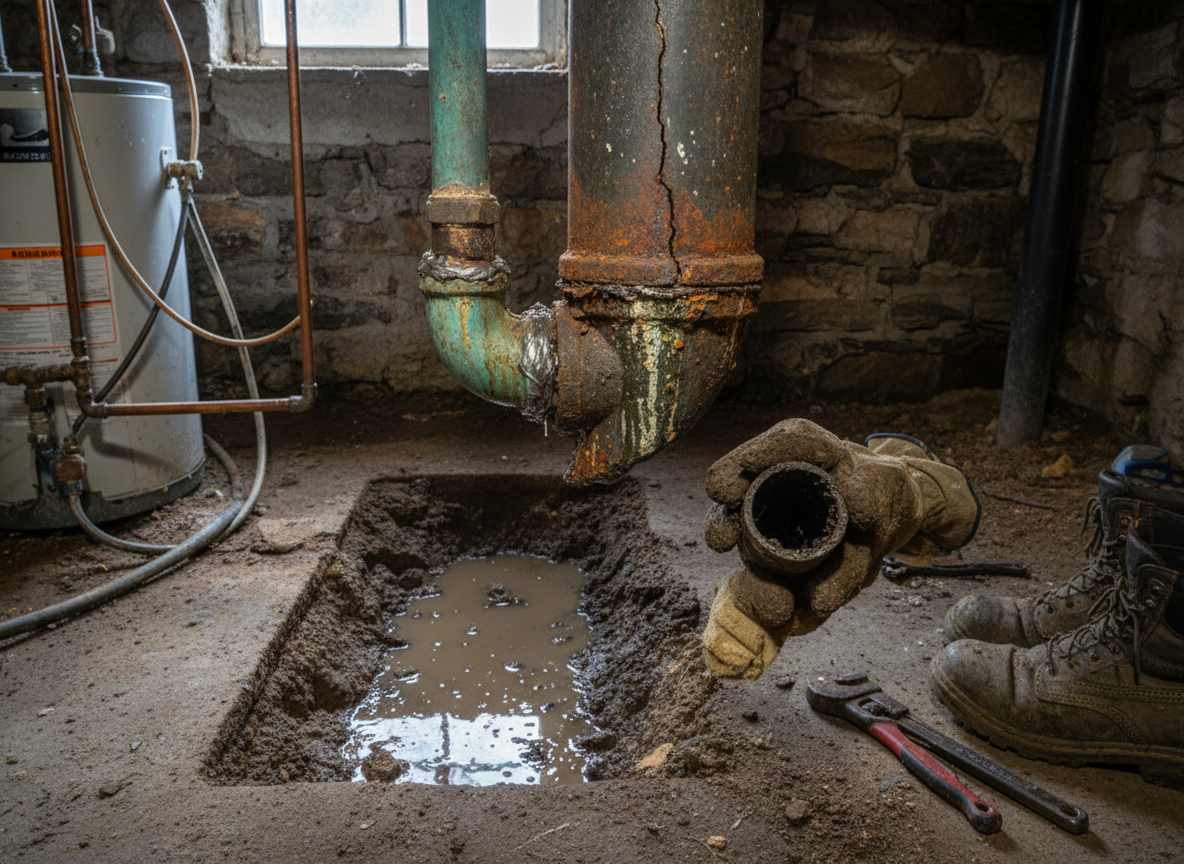
Cast Iron Drain Stacks in Merrimack Valley Three Deckers and How to Tell When One Is Failing
Cast iron drain stacks in Lawrence three-deckers typically last 60 to 90 years before corrosion causes leaks or blockages. Watch for rust particles in drains and recurring backups as early warnings.
2026-08-31
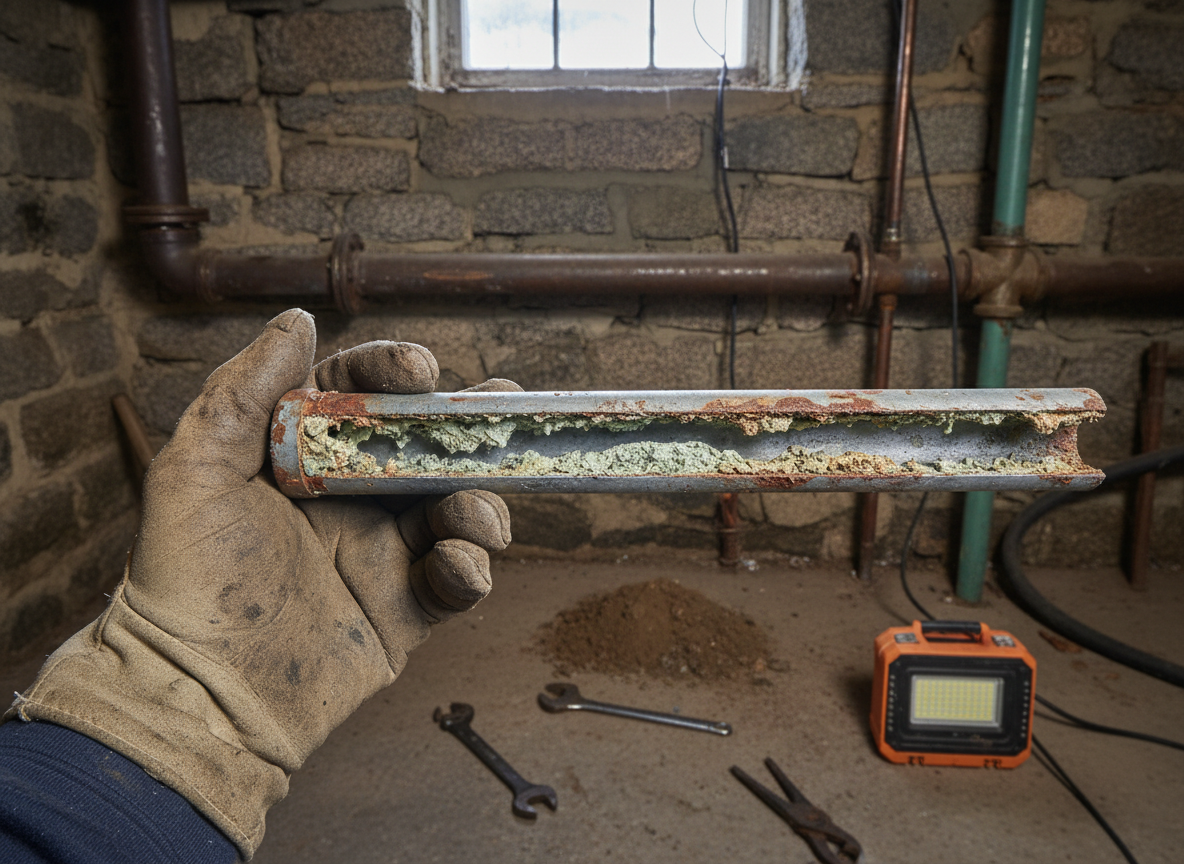
Galvanized Supply Pipe: Why Water Pressure Drops in a 100 Year Old House
In Lawrence's older housing stock, galvanized supply lines from the early 1900s commonly develop internal corrosion that narrows pipe diameter and cuts water pressure. Local conditions accelerate the process.
2026-08-31
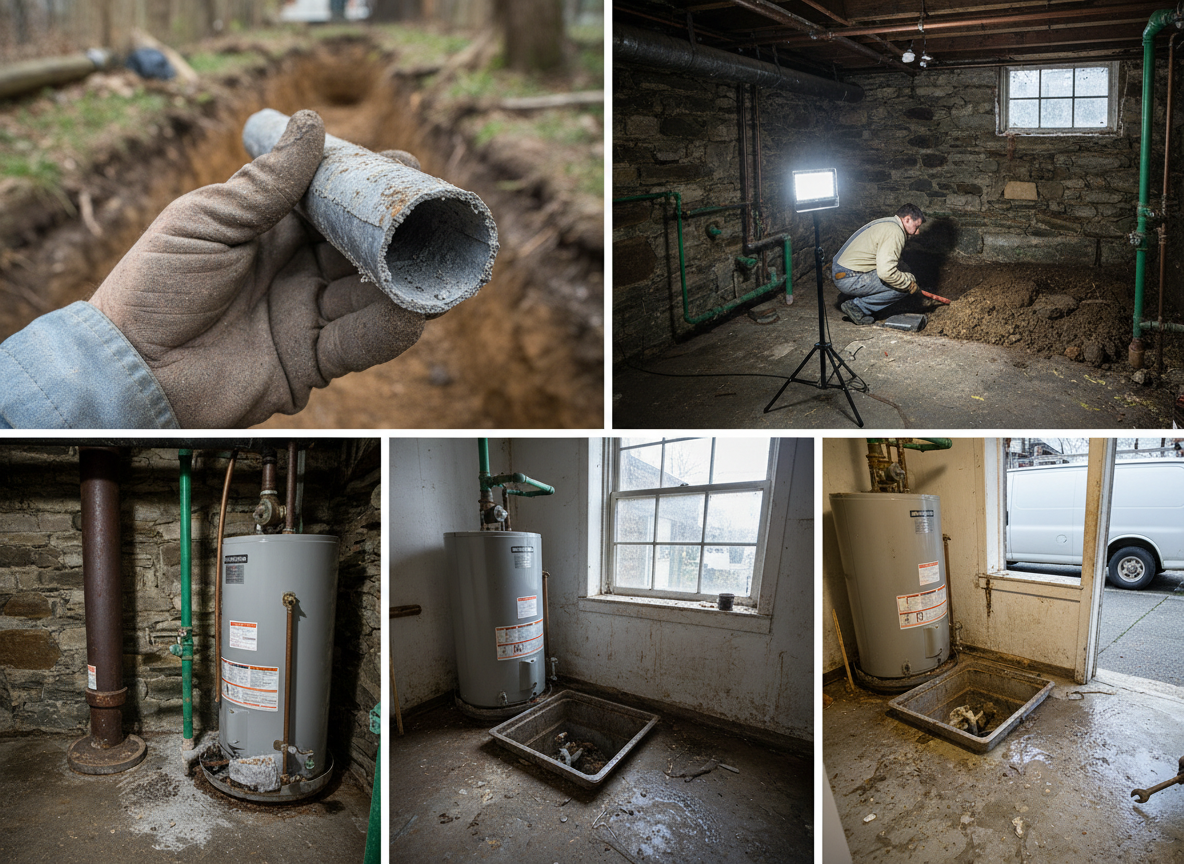
Lead Service Lines in Older Massachusetts Cities and How Replacement Actually Works
Lead service line replacement in Lawrence involves excavation from the main to the home, typically taking one to three days once permits clear. Local soil conditions, pipe depth, and cold winters shape the actual process on the ground.
2026-08-31
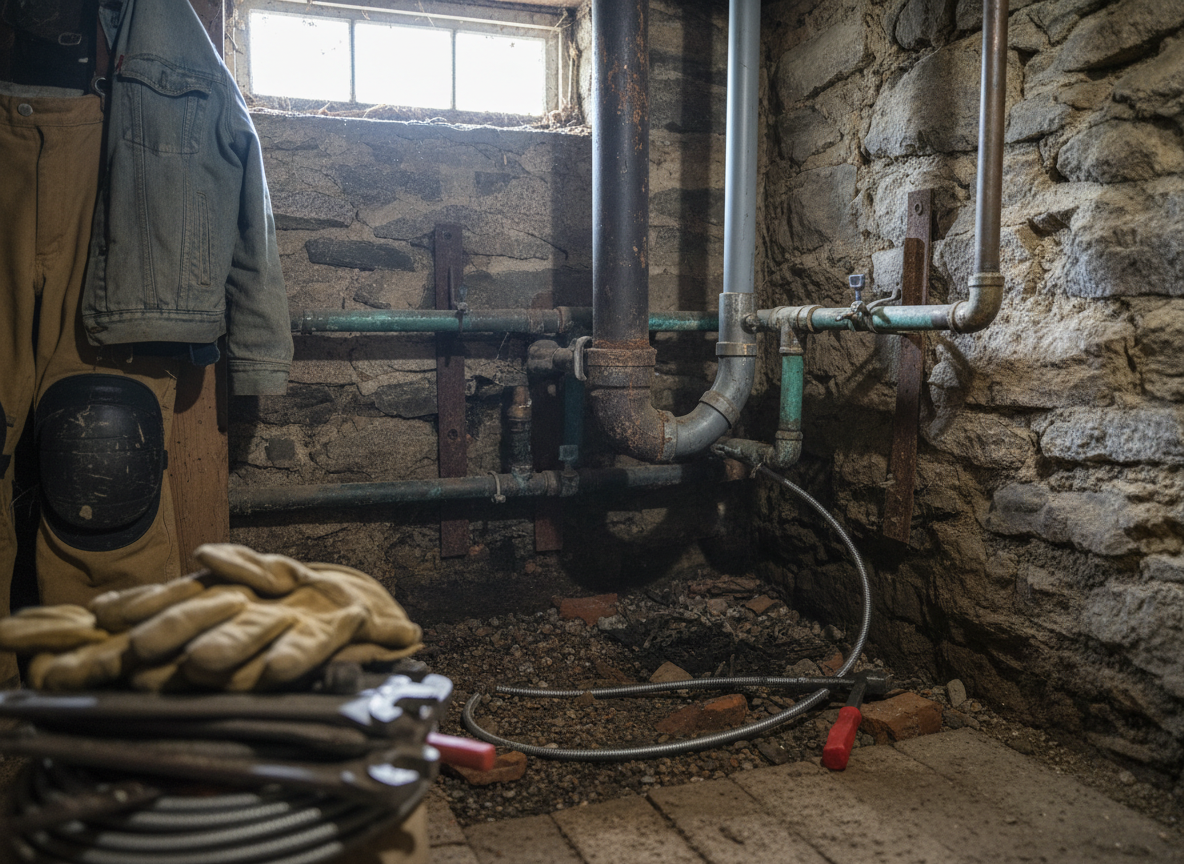
Why the Massachusetts Plumbing Code Is Stricter Than Most People Expect
Massachusetts plumbing code adds layers of protection for freeze risks and aging infrastructure that many other states skip. Local conditions in Lawrence drive these stricter rules.
2026-08-31
Who Owns the Sewer Lateral and Who Owns the Water Service Line
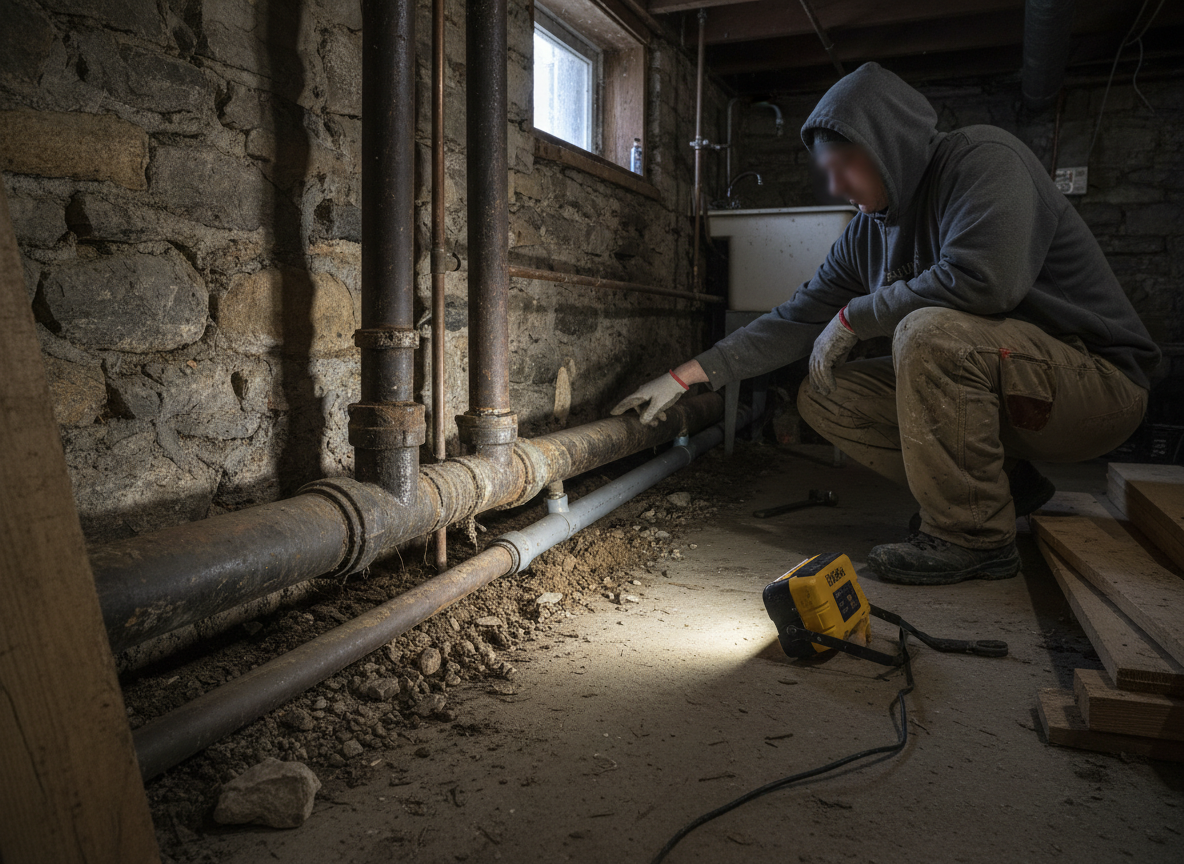
Lawrence homeowners own both the sewer lateral and water service line on their side of the connection point. Cold winters and older housing stock in neighborhoods like Tower Hill affect maintenance needs.
2026-08-31
Orangeburg and Clay Sewer Pipe: What Is Under Older Streets and What Replaces It
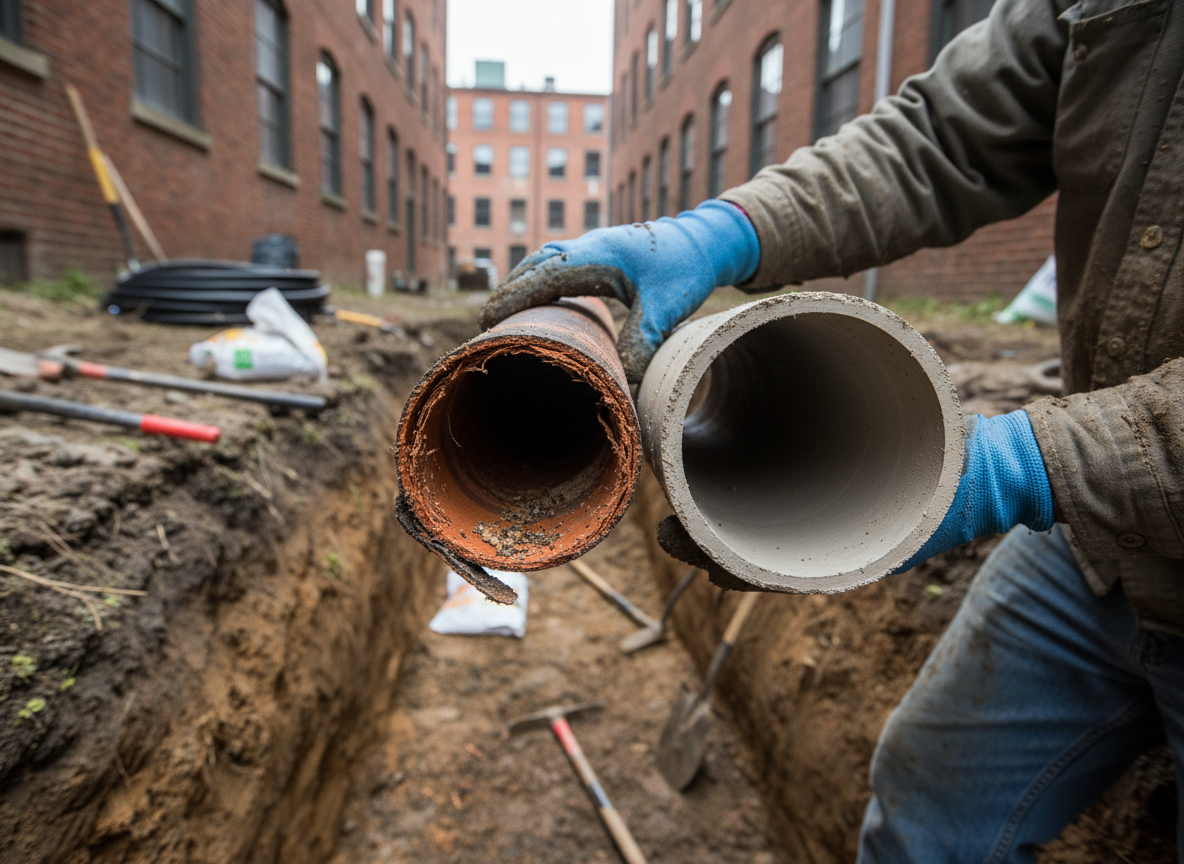
Older streets in Downtown Lawrence and Tower Hill often contain Orangeburg and clay sewer lines installed decades ago. Licensed plumbers now replace them with durable PVC or HDPE to prevent recurring backups.
2026-08-31
Tree Roots in the Sewer Line: How They Get In and What Actually Stops Them
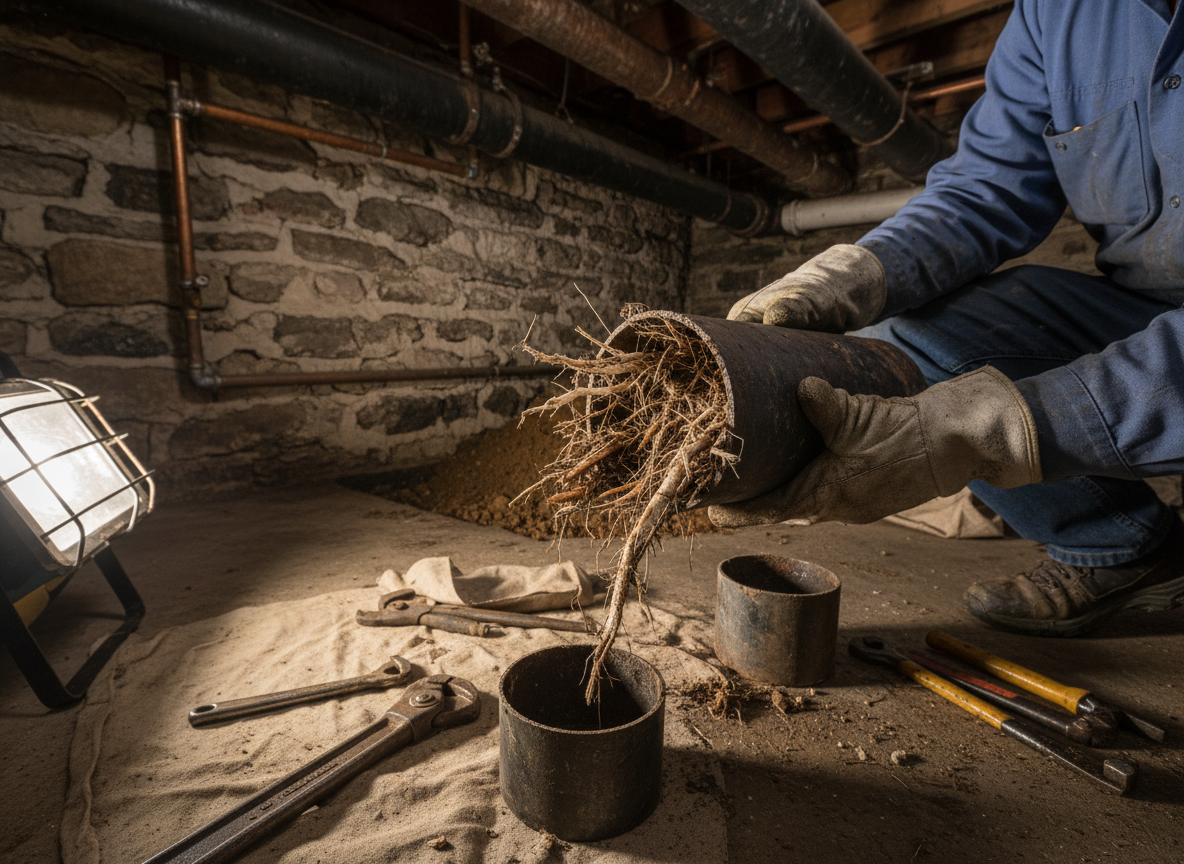
In Lawrence's older housing stock across Tower Hill and Prospect Hill, tree roots find their way into sewer lines through joints and cracks. Effective stops include hydro jetting and pipe upgrades suited to the area's humid continental winters.
2026-08-31
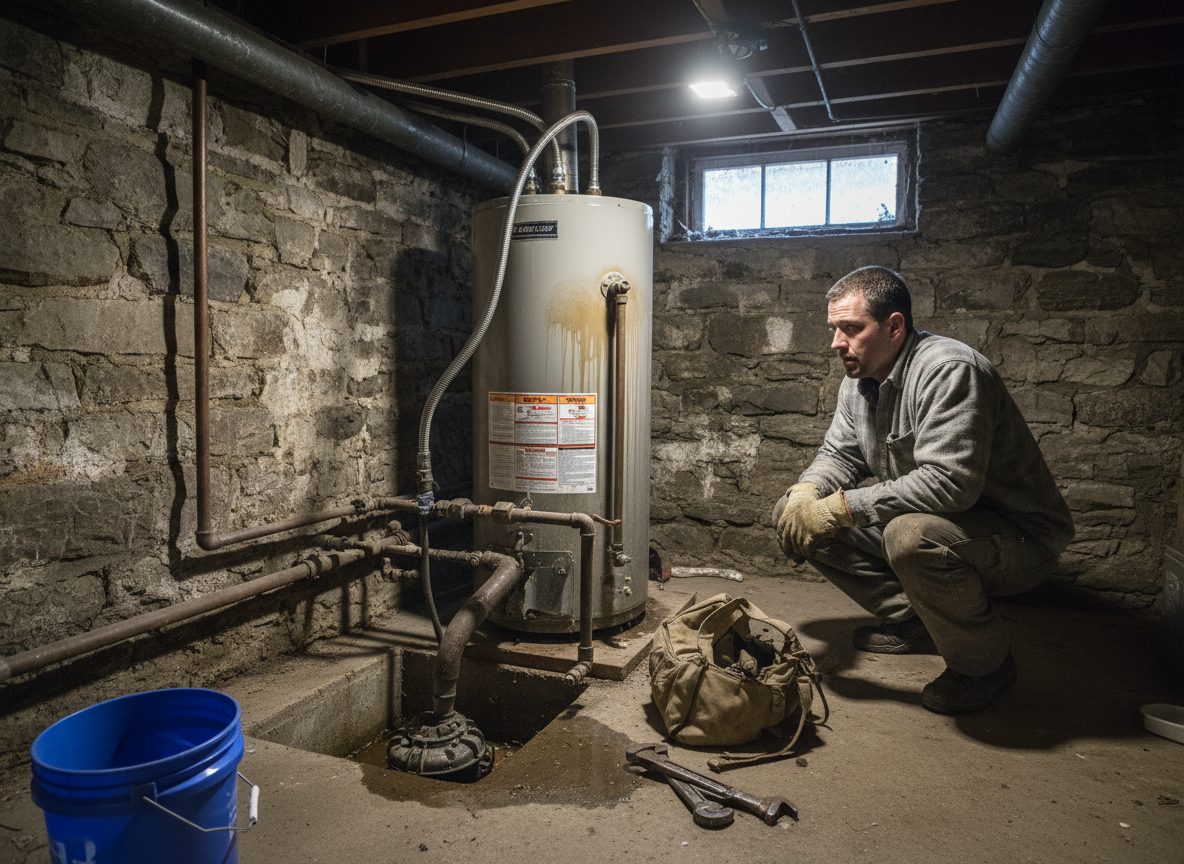
Frozen and Burst Pipes in Unheated Basements: Where They Split and Why
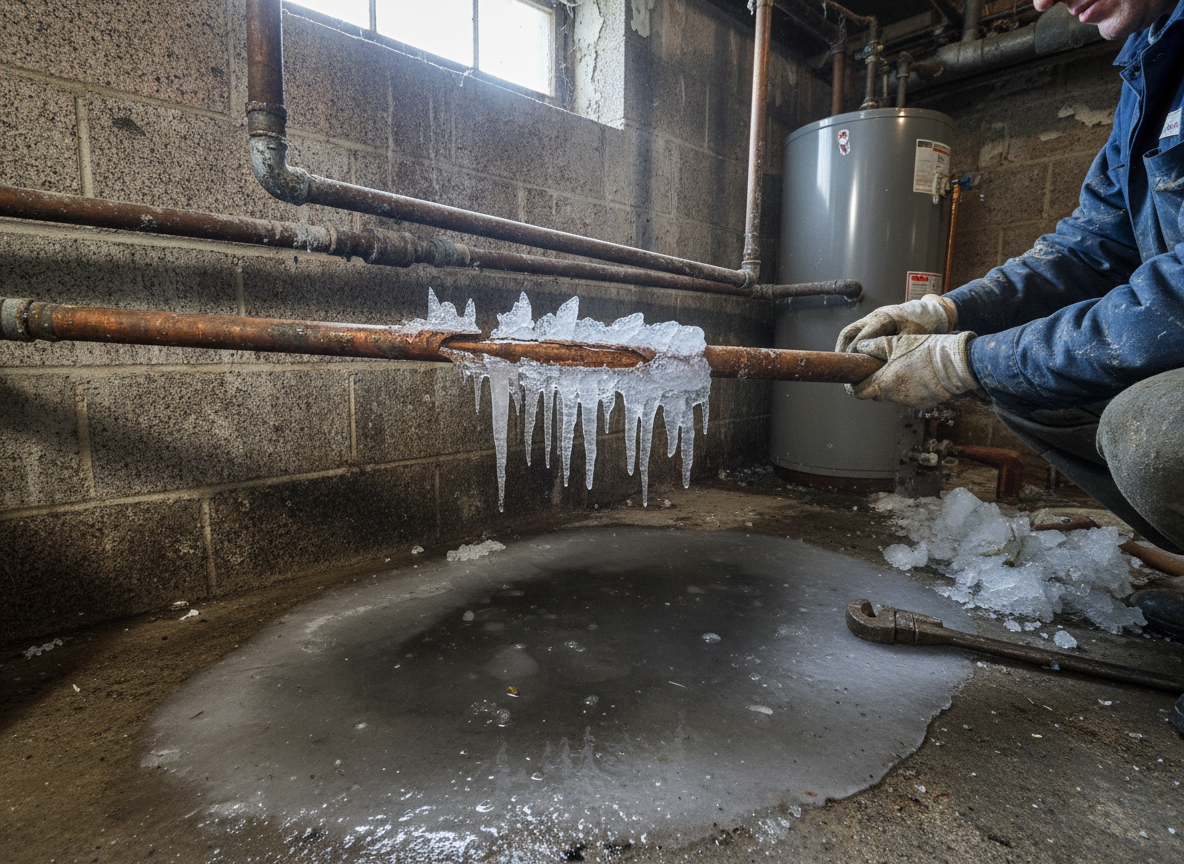
Pipes in Lawrence unheated basements split most often at threaded joints, 90-degree elbows, and straight runs against exterior walls once temperatures stay below 20°F for several hours. Local winters and older housing stock make these failures common in neighborhoods like Tower Hill and Downtown Lawrence.
2026-08-31
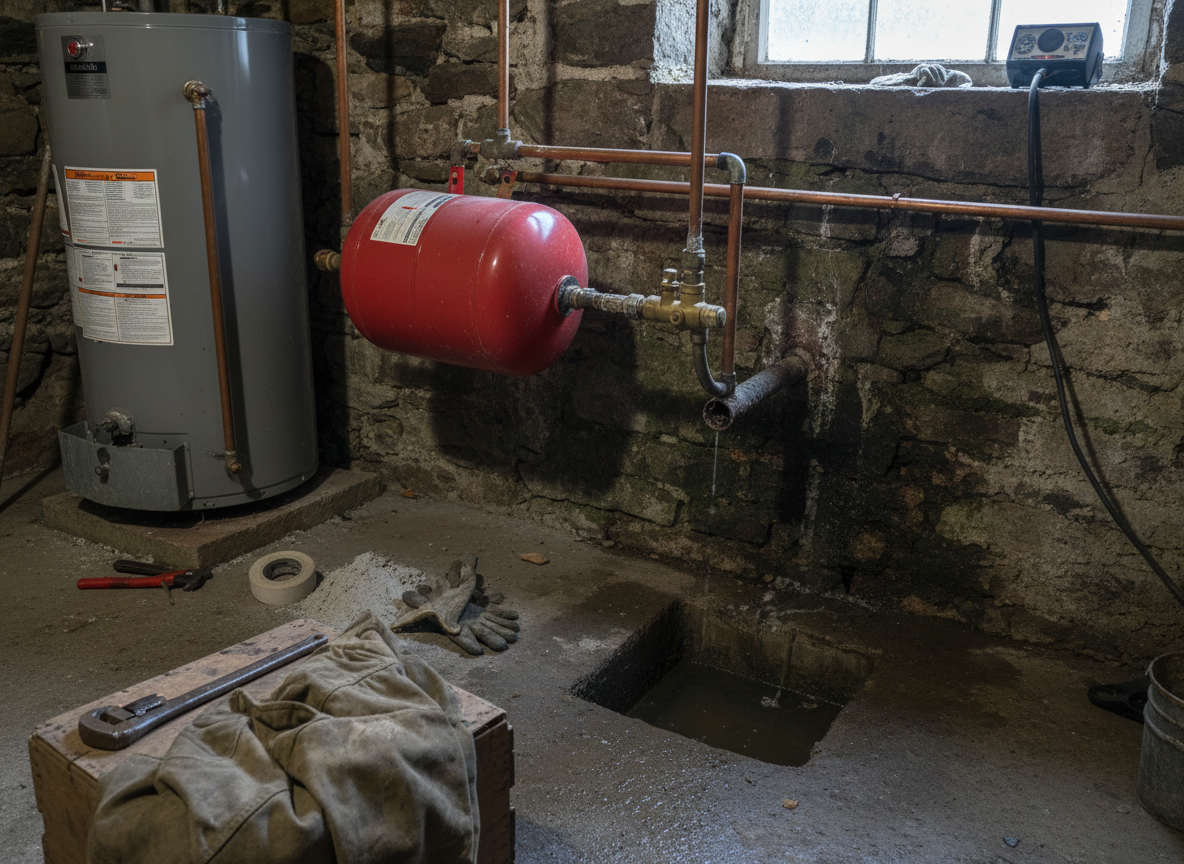
Water Heaters Installed After the 2018 Merrimack Valley Gas Work Are Reaching Replacement Age
Water heaters installed after the 2018 Merrimack Valley gas work typically reach replacement age at 8–12 years. Lawrence's cold winters and older housing stock accelerate wear in neighborhoods like Tower Hill and Prospect Hill.
2026-08-31
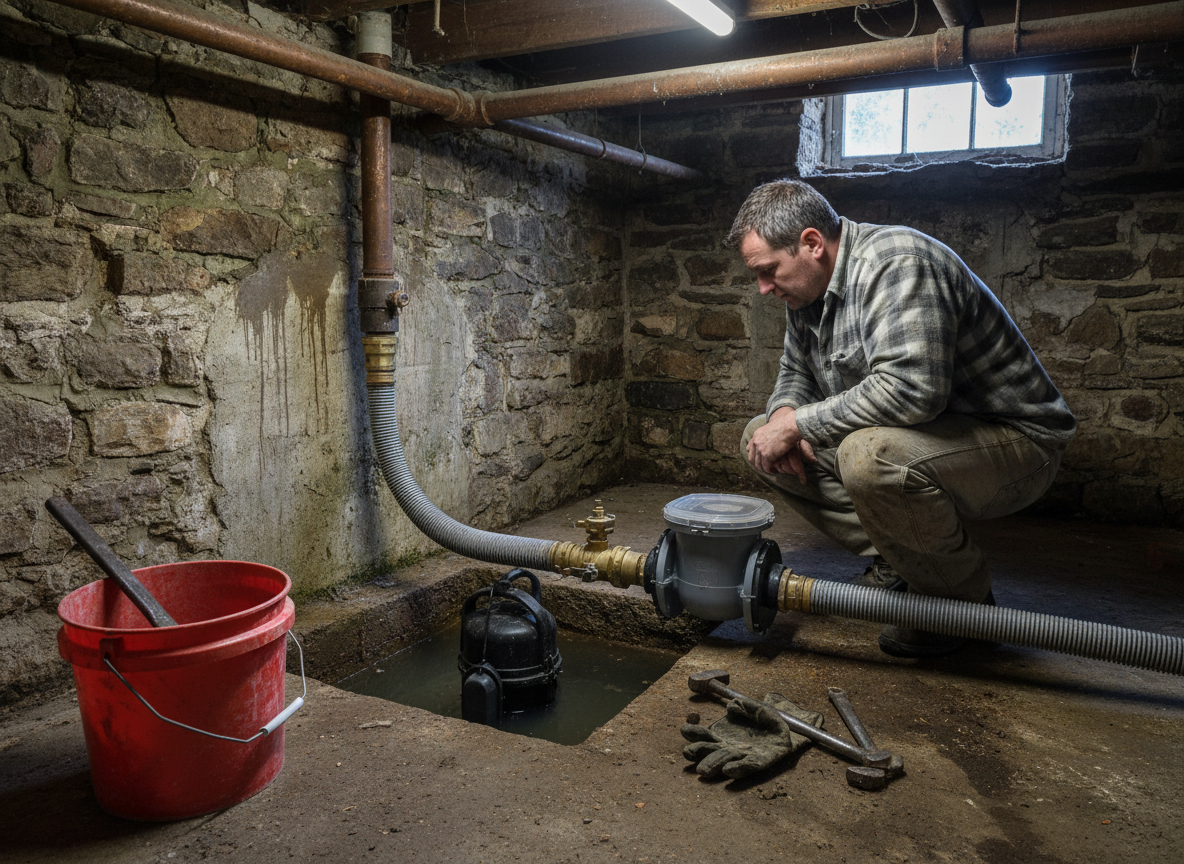
Thermal Expansion Tanks: Why a Closed System Needs One and What Happens Without It
A closed system without a thermal expansion tank builds dangerous pressure as water heats. In Lawrence homes this often leads to leaks, valve failures, or premature water heater replacement.
2026-08-31
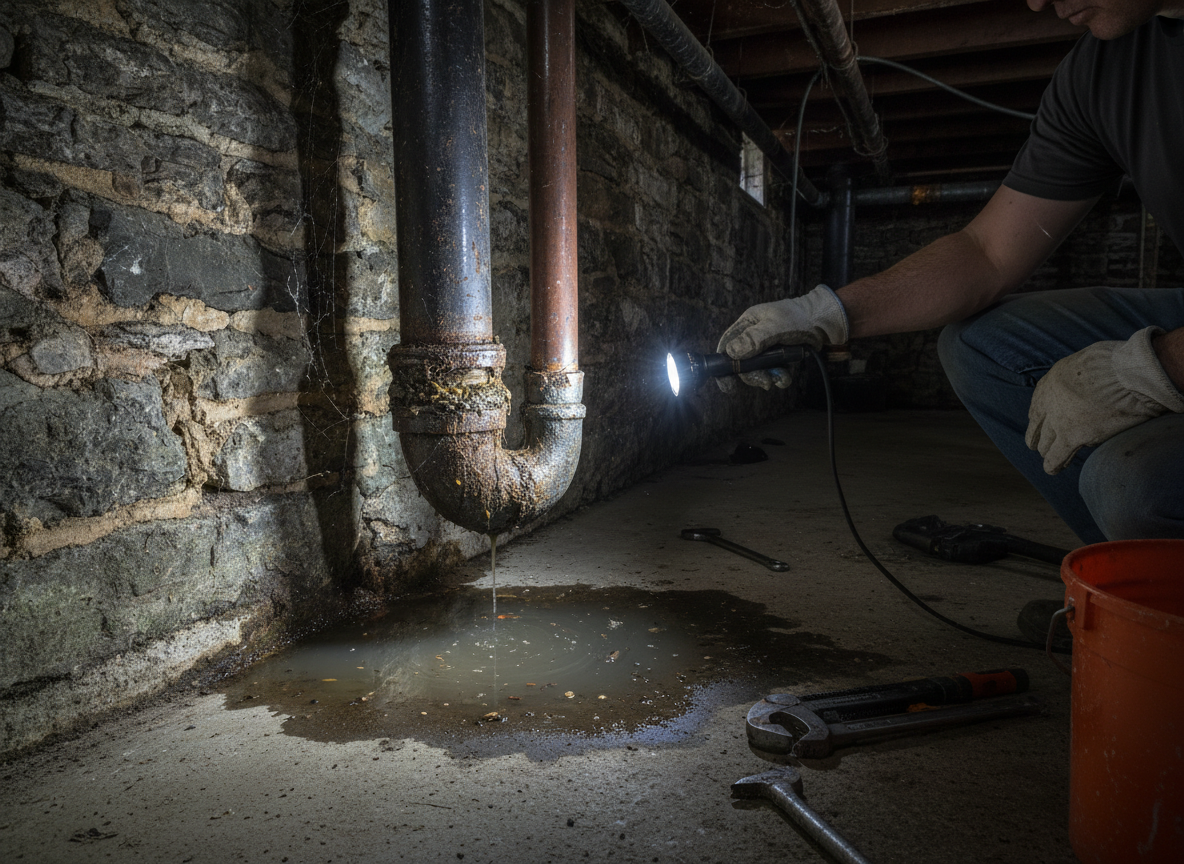
Sump Pumps, Check Valves and Backwater Valves: What Keeps a Basement Dry
Sump pumps paired with check valves and backwater valves form the core defense against basement water in Lawrence homes. These components handle the freeze-thaw cycles and aging infrastructure common across Essex County neighborhoods.
2026-08-31
Shared Stacks in Multifamily Buildings: Why One Unit's Clog Backs Up Into Another
Shared vertical stacks in Lawrence's older multifamily buildings route wastewater from multiple units through one pipe. A clog below one apartment can force backups into connected units when flow is blocked.
2026-08-31
Hydro Jetting or Cabling: Which One a Drain Actually Needs
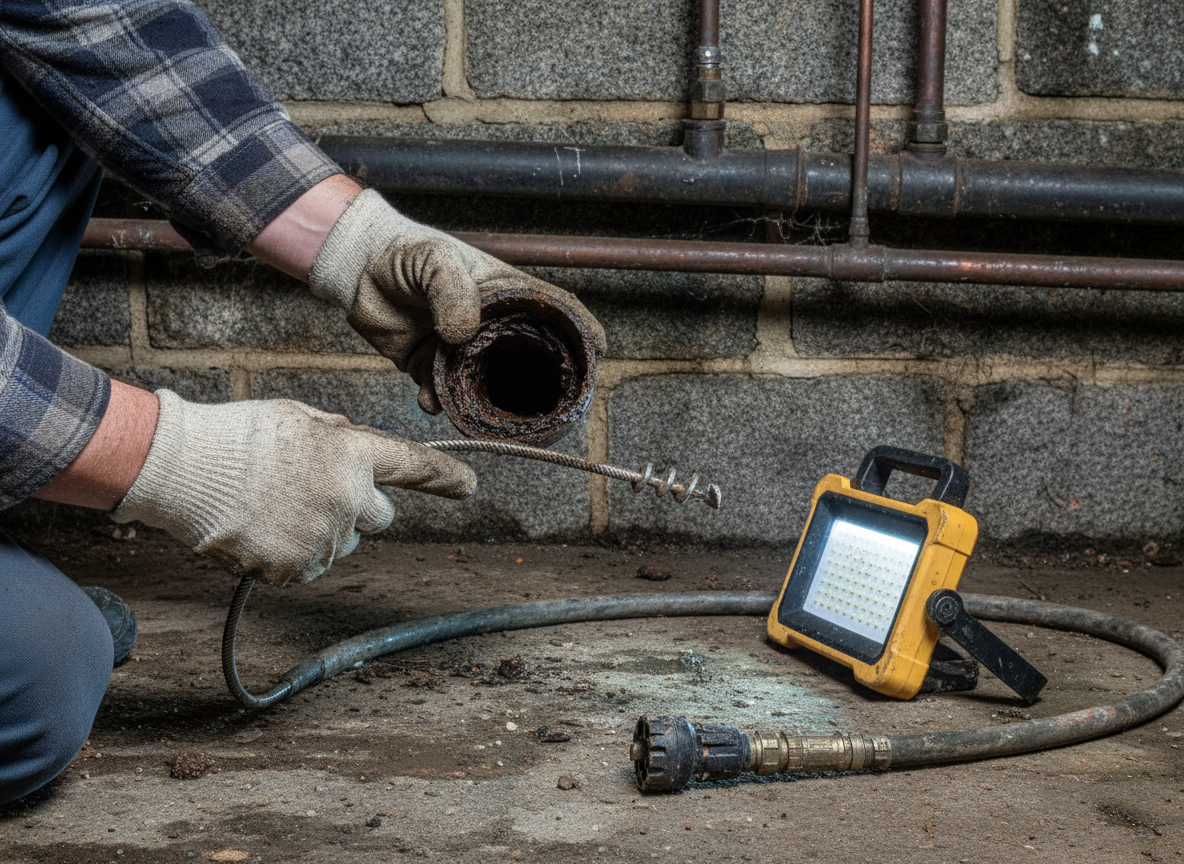
Cabling handles most simple blockages in Lawrence pipes, but hydro jetting is required once grease, scale, or roots coat the interior walls.
2026-08-31
Grease Traps in Restaurant Kitchens: Maintenance Schedules and What Fails First
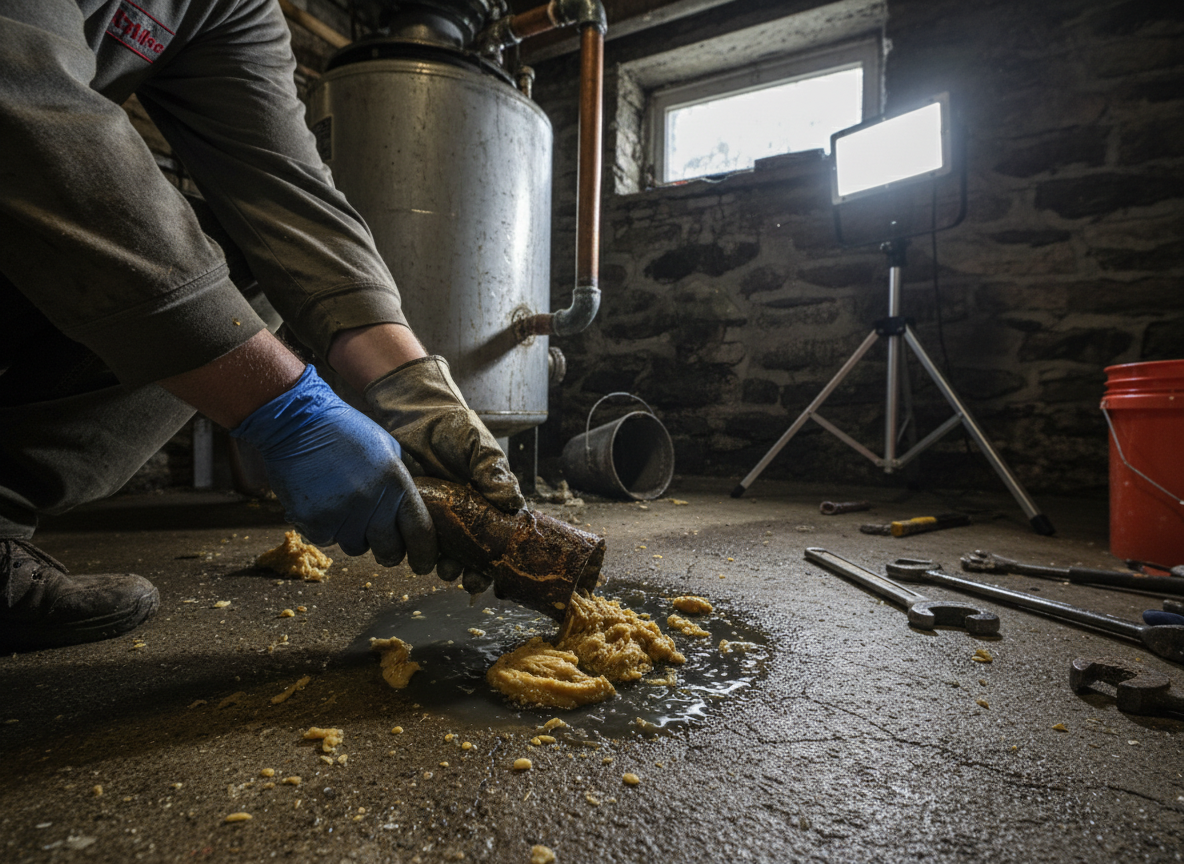
Restaurants in Downtown Lawrence and Tower Hill face faster grease buildup from cold winters. Proper schedules and early detection of baffle or pipe failures keep lines clear.
2026-08-31
Backflow Prevention and Cross Connection Testing Requirements in Massachusetts
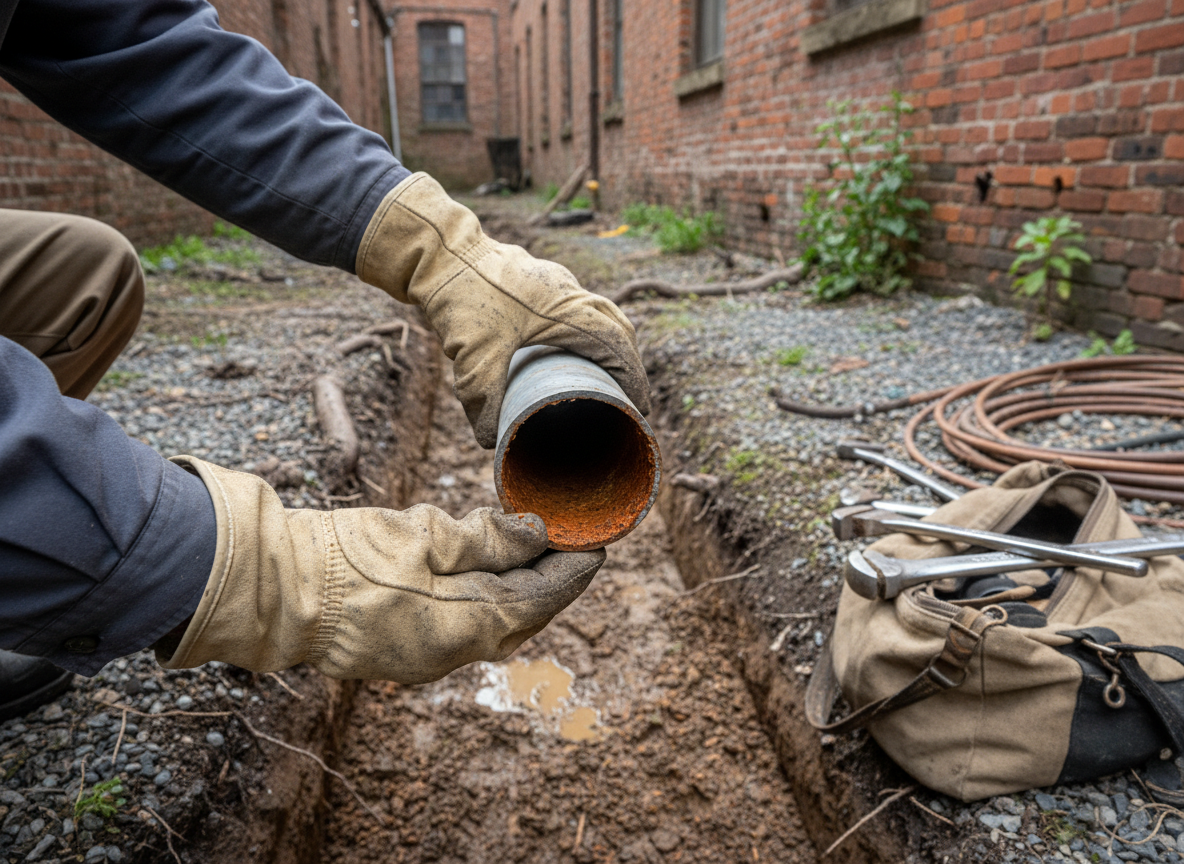
Backflow prevention in Massachusetts centers on approved devices and yearly testing to stop contaminated water from entering public supplies. Lawrence properties in older neighborhoods face specific risks tied to aging infrastructure and winter conditions.